Behind The Scenes
ELEMENTS: Meet Aramco's drilling crew
Global June 28, 2026 - By
Career Trailblazers
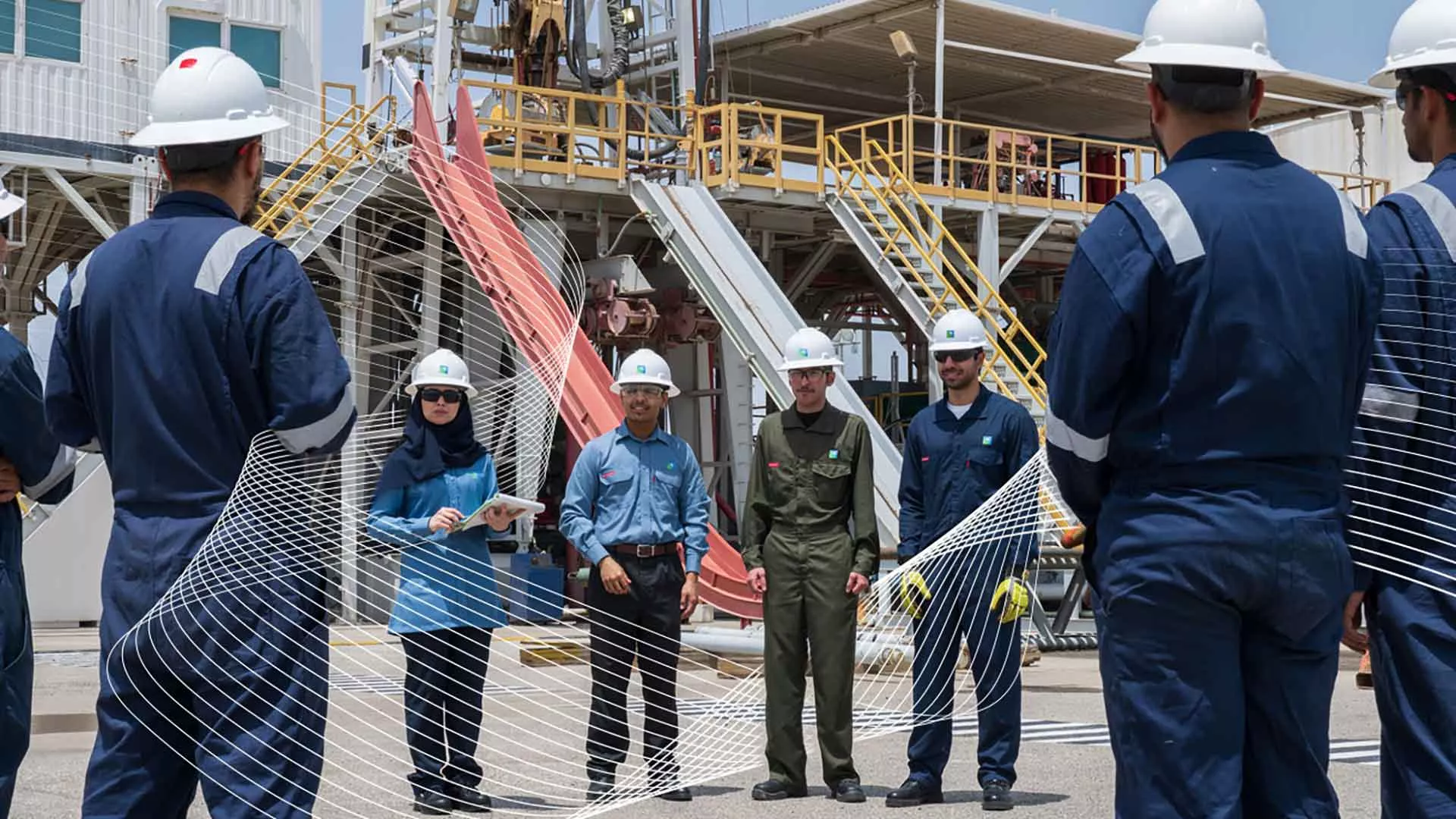
Four young members of our drilling crew share their journeys into the profession and what their jobs really look like behind the scenes.
- Aramco's Field Deployment Program is cultivating the next generation of drilling talent through hands-on training and leadership development
- Safety, technical expertise, and real-time decision-making are central to every well drilled
- Young engineers and foremen are leveraging new technologies and teamwork to tackle complex subsurface challenges.
Every well drilled at Aramco is a result of teamwork, technical expertise, and a strong focus on safety. At the heart of these operations are our drilling engineers and foremen who blend scientific knowledge with creative problem-solving to tackle subsurface challenges with agility and precision.
Building this pipeline of talented drilling professionals starts early. One of the ways we train our young drilling crew is through our Field Deployment Program, a comprehensive three-year training program designed to prepare young Saudi foremen and associate drilling engineers for field work. Established in 2006, the program combines field-based and office-based assignments with tailored technical courses. It equips participants with practical experience, operational knowledge, and leadership skills required to succeed in complex drilling environments.
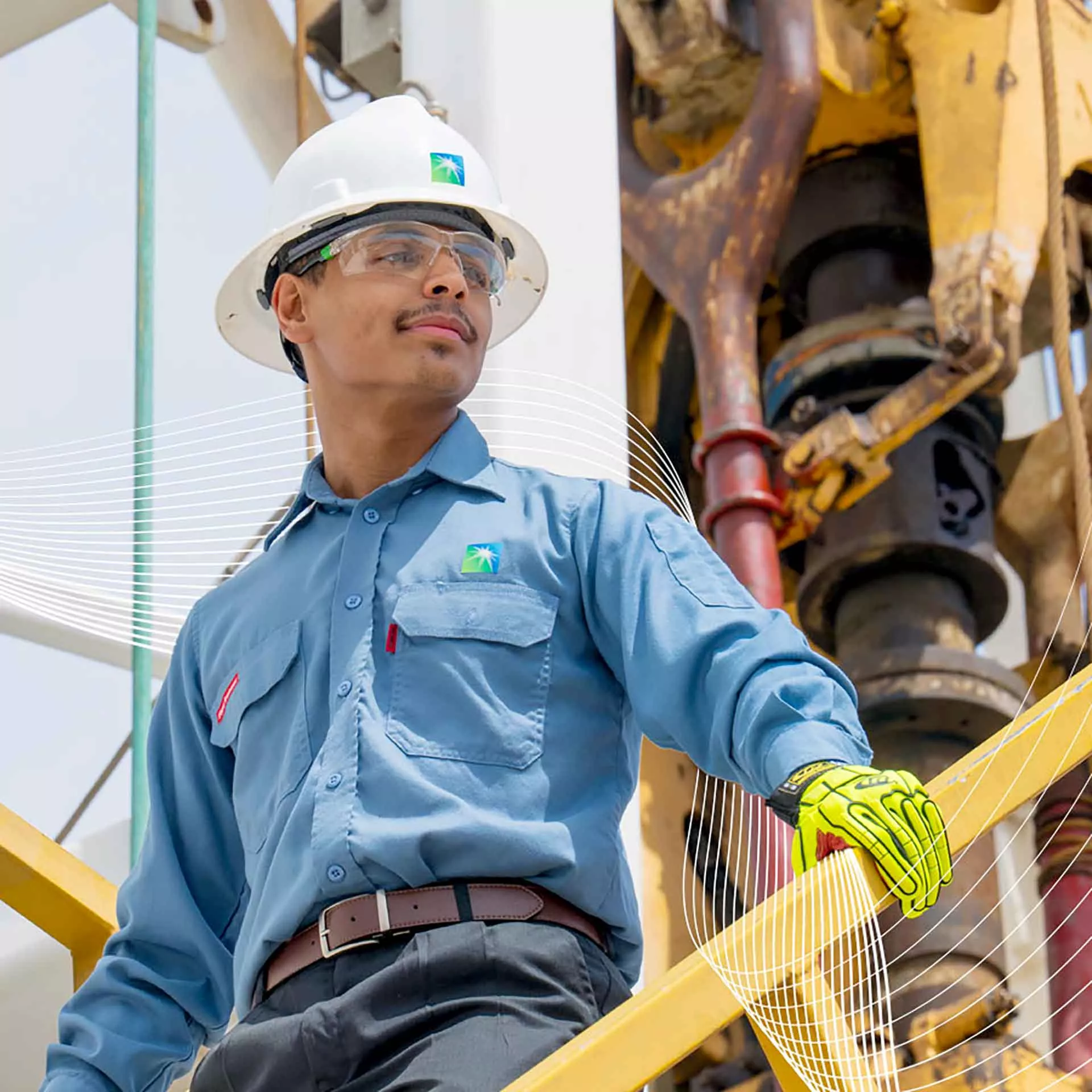
Abdulrahman K. Aluraik finds drilling fascinating because he finds each well to be unique.
Born in the small city of Al-Hasa in the Eastern Province and raised in Dammam, Aluraik chose engineering because he enjoys the challenge of solving tough problems. Aramco sponsored him through the College Preparatory Program in 2018, and he graduated from King Fahd University of Petroleum and Minerals before joining Aramco’s drilling team in 2023.
While drilling may appear straightforward from the outside, the reality is far more complex, Aluraik says. It involves working with large rigs, heavy equipment, and powerful machinery, all of which require close coordination among crews.
“Success in drilling requires constant evaluation, adaptation, and quick decision-making,” Aluraik explains. His typical workday starts with reviewing the rig’s morning report and assessing the previous day’s activities. He spends the rest of his day analyzing data, communicating with the team, and planning future wells.
Aluraik explains that drilling is both a safety-critical and time-sensitive job, and that every decision affects the safety, efficiency, and cost of the company’s Upstream operations. He adds that rigorous training provided by Aramco, along with a year-long offshore field assignment, prepared him for the role.
“We work on managing wells that have high pressures and temperatures, often handling hazardous substances and operating heavy equipment in a tightly coordinated environment. Since we can’t see what’s happening , we have to interpret the data and act fast. Balancing all these variables while making time-sensitive decisions is what makes drilling both highly complex and critically important,” Aluraik says.
Aluraik also highlights the Company’s efforts to deploy new technologies, such as Artificial Intelligence (AI) tools that support engineers in decision-making and help drill wells with greater precision. “We’re constantly working on pioneering solutions and developing tools and equipment tailored to our operations and challenges unique to our fields,” Aluraik says.
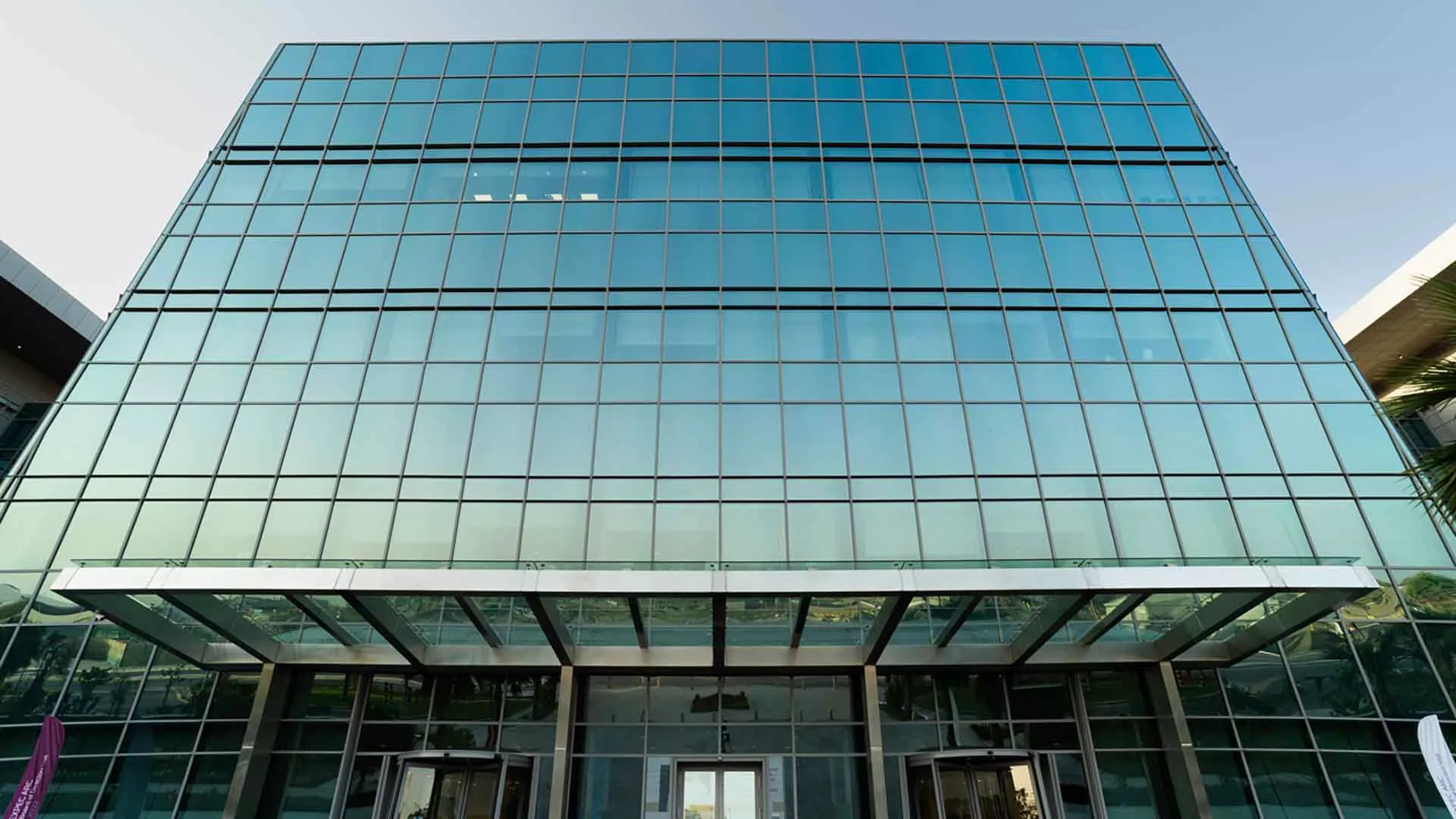
He goes on to add that these advances are a result of the Company’s close collaboration with service providers and its global network of research centers, such as EXPEC Advanced Research Center (EXPEC ARC), where our researchers are focused on developing cutting-edge technologies to overcome field challenges.
Looking ahead, Aluraik sees drilling becoming more automated and data-driven. “As a drilling engineer, I am excited to continue improving how we deliver wells and to find smarter, more efficient ways to extract oil and gas,” he adds.
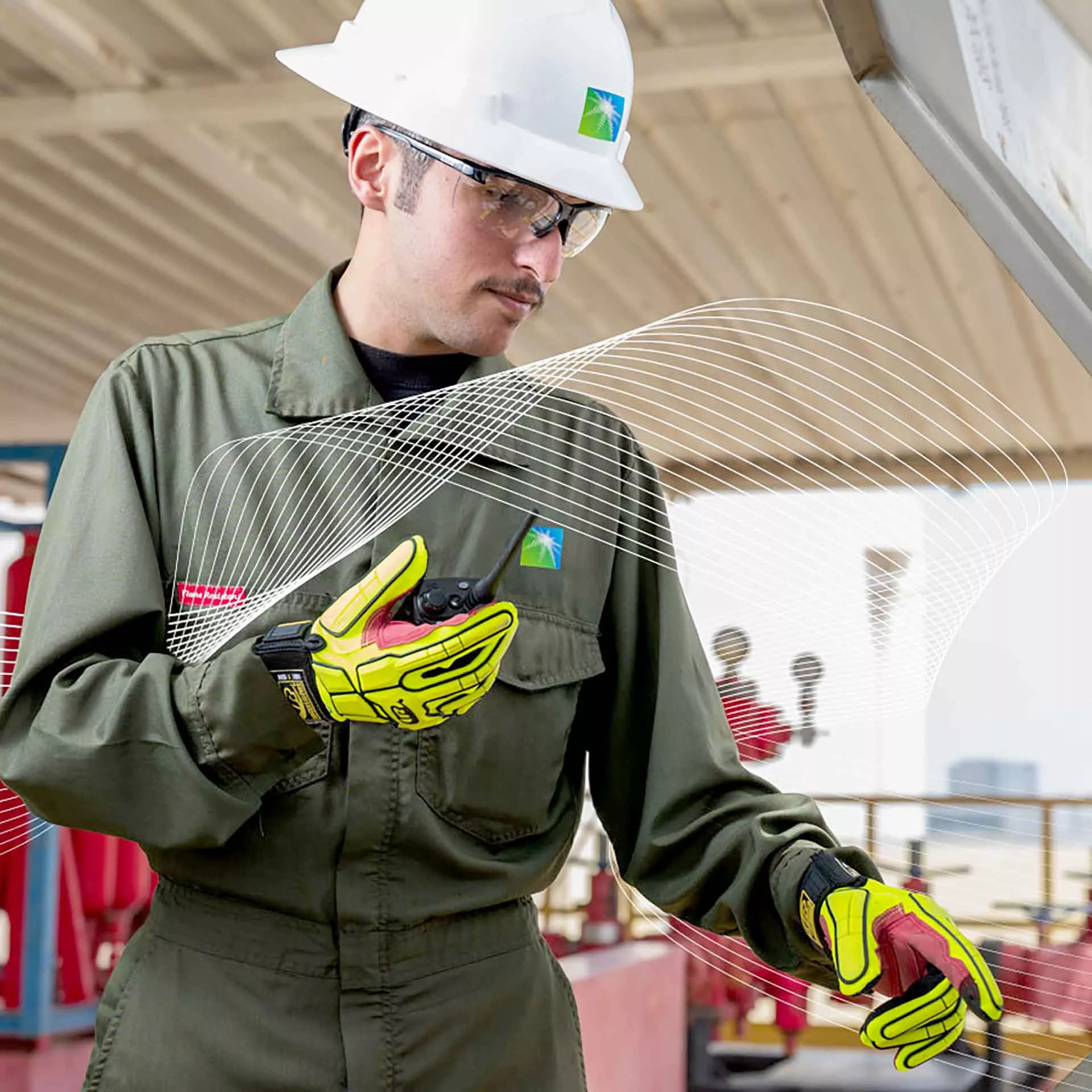
Faisal F. Bulayhid’s passion for hands-on work led him to engineering. Born and raised in Dhahran, he earned sponsorship from Aramco to study Petroleum Engineering at Texas A&M University. Outside of work, he enjoys photography, fishing, and desert camping.
In June 2024, Bulayhid joined Aramco as a drilling foreman. In his role, he is responsible for overseeing the safety of the drilling rig equipment, handling operational issues, and implementing the drilling plan.
Bulayhid’s day starts early. He reviews well data, checks for issues, and coordinates closely with the team to analyze the data and prepare for the next steps. Well data is the comprehensive information gathered throughout a well’s lifecycle to make key exploration and development decisions.
Bulayhid notes that even small changes in the drilling system impact everything. “We drill into unseen formations, so there’s always uncertainty,” he says. Minor changes in pressure, drilling speed, or fluid composition can trigger a chain reaction, altering how the rock responds and affecting stability, safety, and efficiency. Managing these interconnected variables requires the drilling crew to constantly monitor conditions and make real-time decisions to keep operations running smoothly.
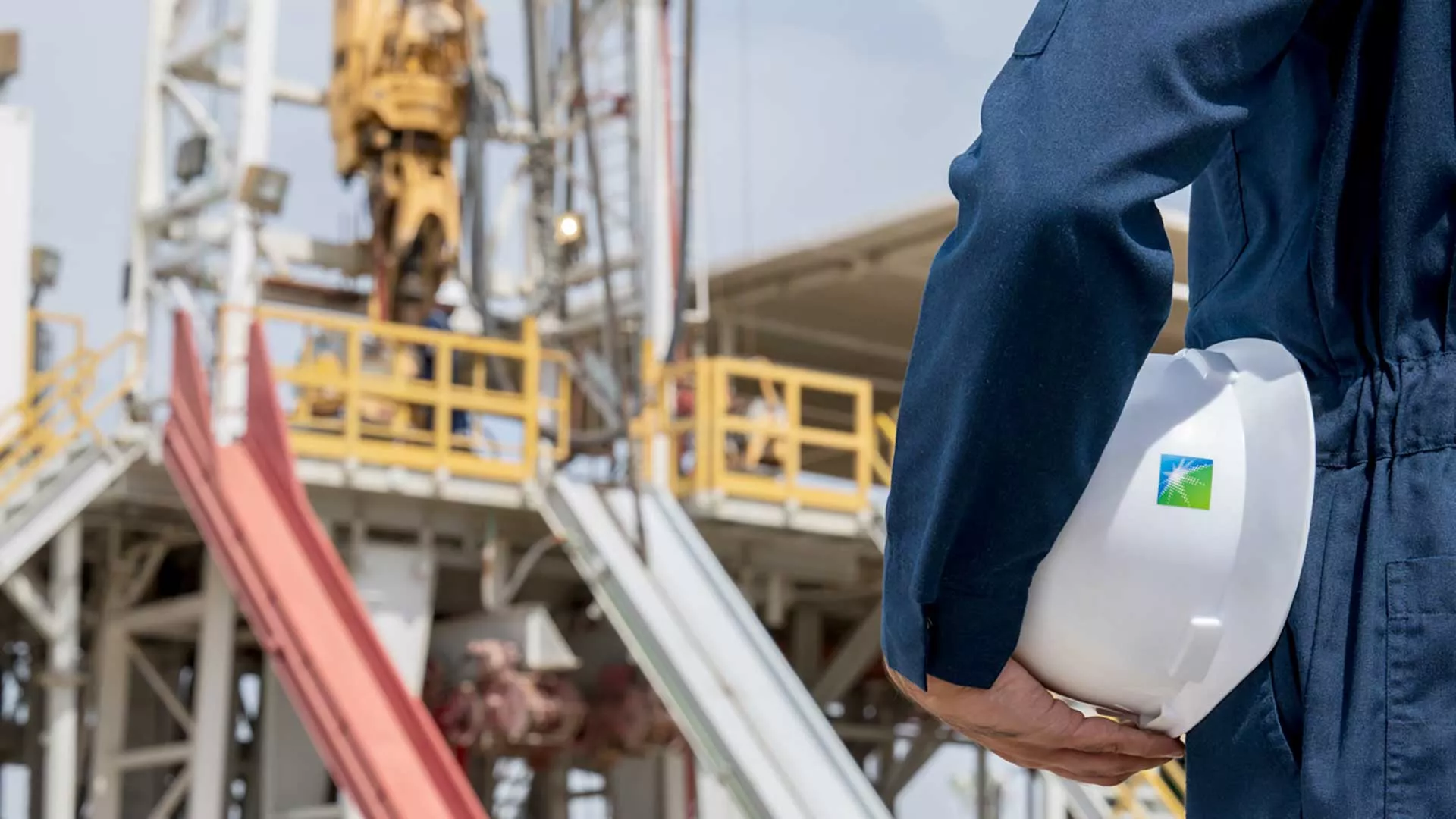
For Bulayhid, safety is top of mind, whether it’s choosing drilling fluid or balancing risk, cost, and efficiency. He explains that engineers and foremen must continuously interpret data, identify early warning signs, and make informed operational adjustments to maintain well stability, safety, and efficiency.
He adds that this level of responsibility underscores the importance of sound engineering judgment, which is supported by continuous training and field experience. Bulayhid has completed extensive technical and safety training programs, including well pressure management and incident prevention, These, he adds, are a part of Aramco’s broader safety culture, where training never stops, be it technical, safety, or soft skills.
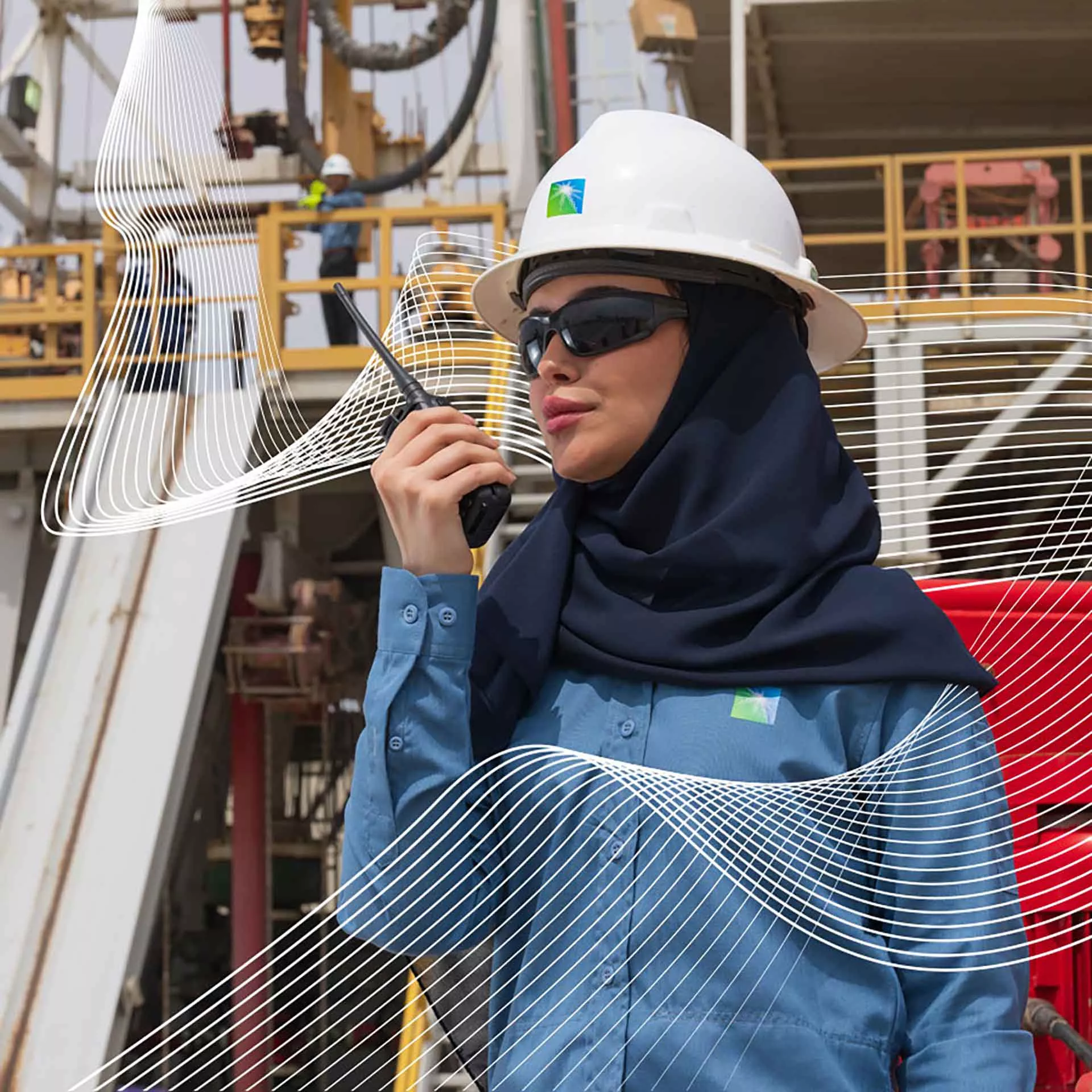
Reema M. Almoabadi grew up in Al Khobar, a city near our headquarters in Dhahran, learning about Aramco from an early age through her father’s long-standing career with the Company.
“The environment I grew up in shaped my perspective on the energy industry long before I joined the Company,” she reflects. After earning a degree in petroleum and natural gas engineering from Pennsylvania State University, Almoabadi joined Aramco as an associate drilling engineer in 2024, supporting turnkey projects from the engineering side.
She notes that drilling is one of the few disciplines in which decisions must be made with limited visibility into what’s happening below the ground. “It’s about technical precision, interpreting real-time data, and adapting quickly to unexpected subsurface conditions and challenges as they arise,” she explains.
As a drilling engineer, her role spans from the earliest stages of well design to overseeing operations in real time, making her responsible for both developing the drilling program and safeguarding the well throughout execution. “We develop a strong sense of responsibility toward our wells. Our focus on excellence starts right from the beginning, with a proactive approach to every well we design and execute,” Almoabadi says.
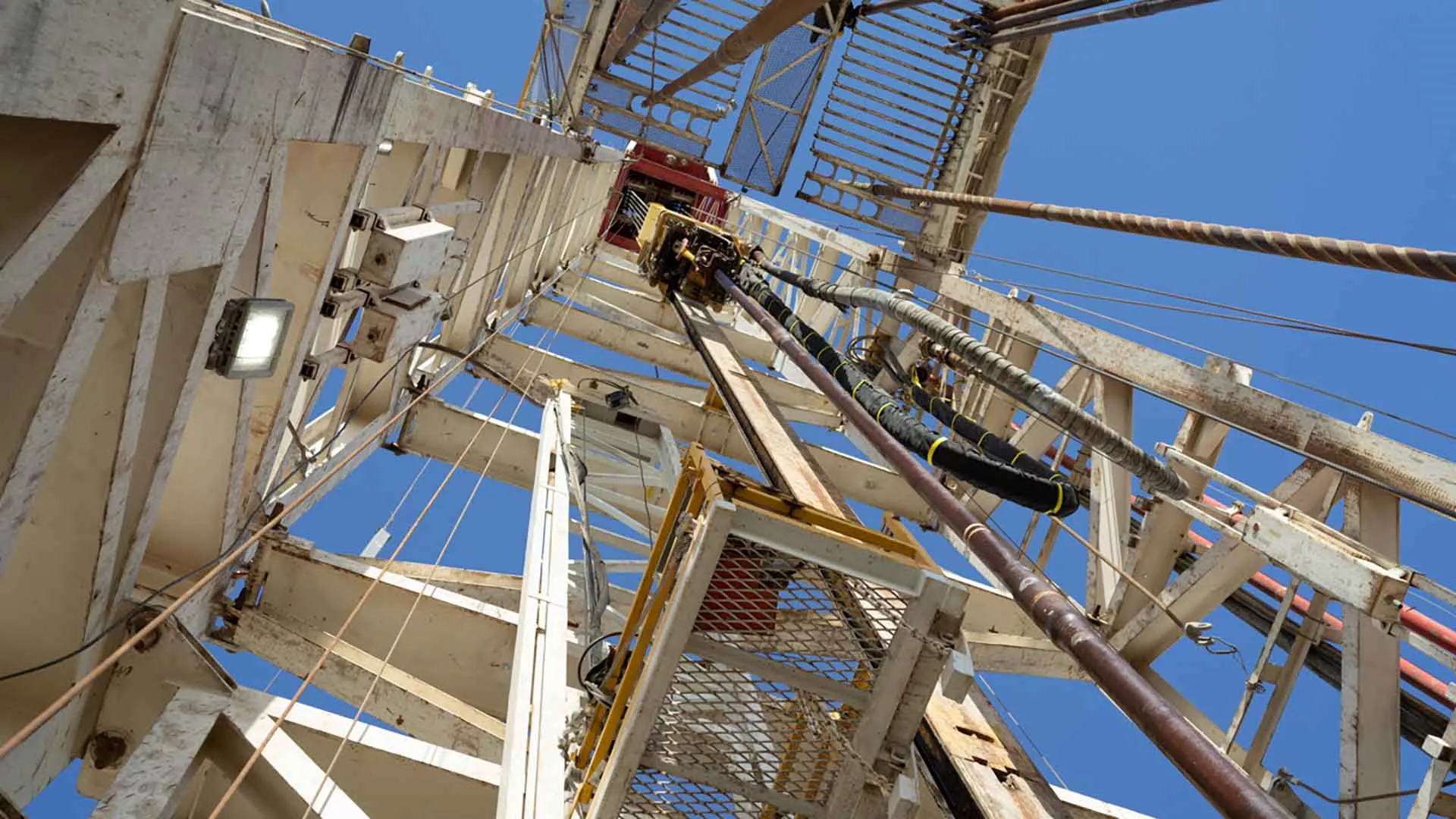
Once drilling begins, the well’s vital signs — its condition and overall performance — must be continuously monitored using real-time data, much like a doctor monitors a patient’s health, she explains with a smile. This is done by closely monitoring parameters like the well’s fluid pressure, torque or the rotational force applied to the drill string, and drilling speed,” she explains.
One of the greatest challenges in drilling, she explains, is how quickly one issue can trigger another, creating a domino effect. To overcome this and avoid further complications, she says identifying and mitigating early warning signs is essential.
Field experience was crucial to Almoabadi’s training; she worked on rigs on some of our most challenging fields while completing intensive safety certifications. “At Aramco, safety is a core value, not just a requirement. Every operation begins with planning, risk assessment, and a commitment to protecting people and assets,” she notes.
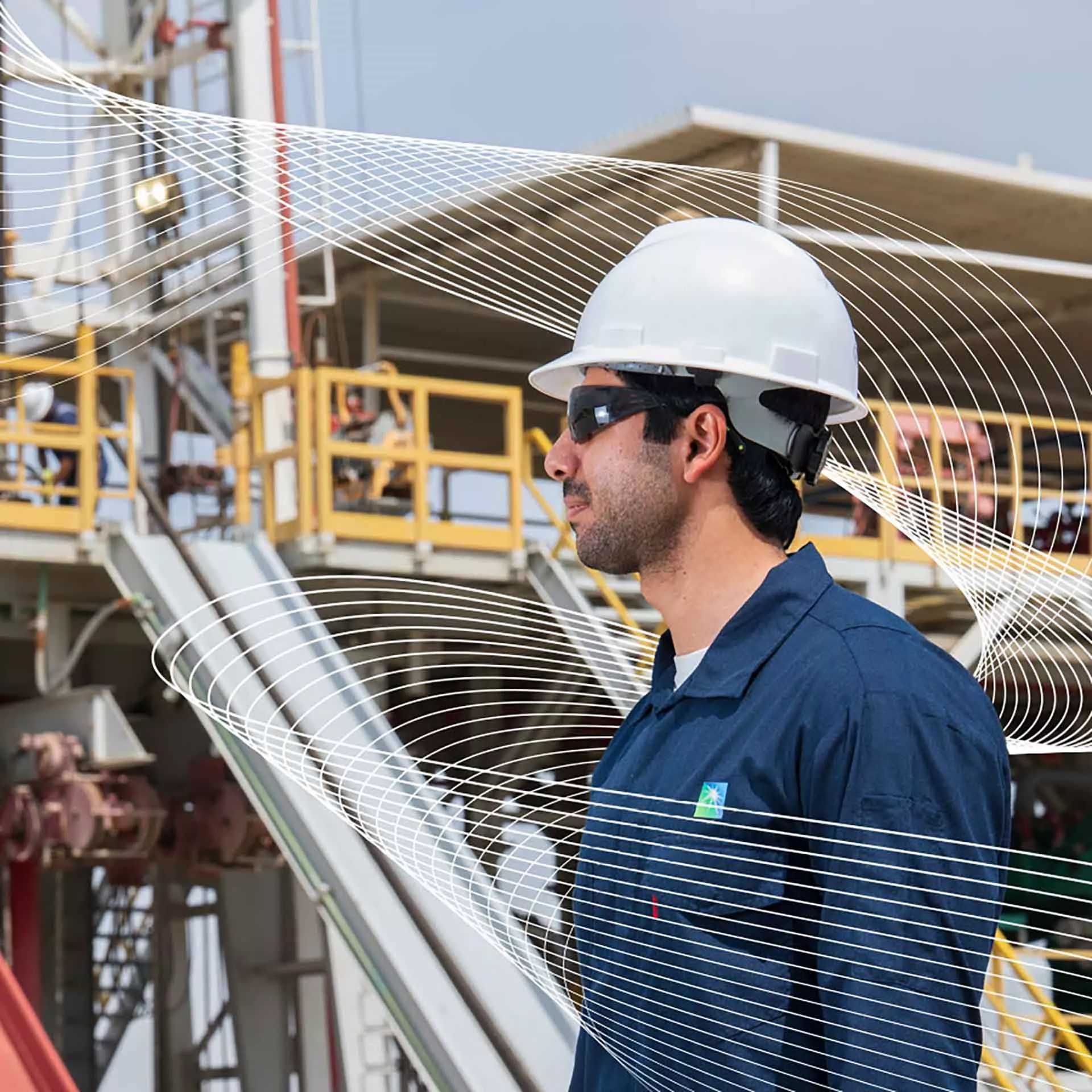
For Mohammed A. Alzamil, engineering is about making a real-world impact.
“I believe strong economies are built on tangible value, and the Science, Technology, Engineering, and Mathematics (STEM) fields provide a direct path to that. Engineering helps you solve real problems and contribute to industries that are essential to modern society,” Alzamil says.
Born and raised in Riyadh, Alzamil studied Petroleum Engineering in Australia before joining Aramco in 2023.
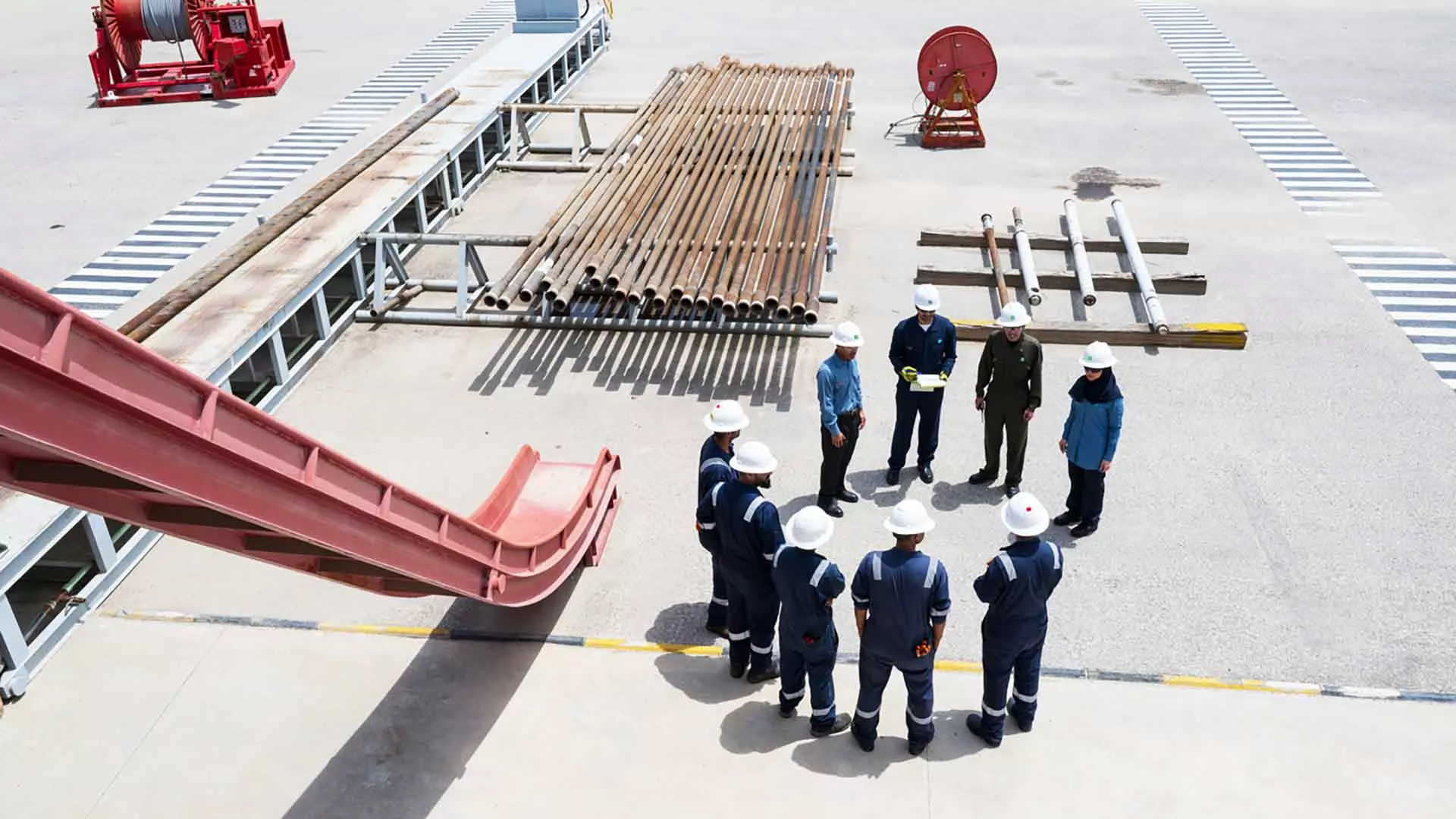
His typical workday often begins well before sunrise. By 4:00 am, Alzamil is preparing the daily drilling report — a document that summarizes the well’s progress and key operational data. He then inspects the drilling site, checks equipment, and ensures contractor adherence to our safety policy and the smooth flow of operations.
Alzamil leads a daily meeting at 8:00 am, attended by engineers and senior rig personnel, to check for any Health, Safety, and Environment (HSE) updates, review rig progress for the day, coordinate tasks, and assign responsibilities. By 11:30 am, the team gathers for a safety meeting to discuss job-specific risks and reminders of safety procedures, reinforcing Stop Work Authority (SWA), a crucial safety policy that empowers any employee, regardless of position, to halt operations if a hazard or unsafe behavior is identified.
Following the morning meetings, he spends the rest of his day supervising operations, monitoring drilling progress, or handling administrative tasks, depending on the drilling phase. His shift ends with a handover to the night foreman to ensure continuity of operations.
One technical challenge, Alzamil explains, is managing pressure. The drilling fluid, or mud, circulating in the well must maintain sufficient hydrostatic pressure to prevent formation fluids from entering the well. If not controlled, this could result in a blowout — the uncontrolled release of oil, gas, or other fluids from a well.
“Alongside applying the right pressure on the formation through the mud, we are required to stop and conduct flow checks throughout the operation to determine whether the well is flowing. Multiple measures are implemented to ensure the well remains under control at all times, while helping safeguard Company property and supporting continuous safe operations,” he explains.
One important lesson he has learned on the field is that not all challenges are technical — sometimes they may involve people. For example, during a critical operation, if a crew member needs to leave the site due to a personal or professional issue, the foreman needs to step in to resolve the situation quickly. This often requires careful listening, understanding the concern, and finding a practical solution to keep operations running safely.
Alzamil is optimistic about the future of drilling, noting that technological advances are making drilling safer, faster, and more precise: “Our drilling teams are constantly testing new ideas, adopting useful innovations, and refining procedures based on past experiences. Wells that once took 120 days to complete can now be drilled in less than a month, without compromising safety standards or operational integrity,” he adds.


